


Welcome to the world of Forex trading, a dynamic and thrilling marketplace that presents countless opportunities for those who are prepared. Whether you are a novice eager to learn the basics or an experienced trader looking to sharpen your strategy, understanding the complexity of the Forex market is crucial. In this comprehensive guide, we’ll cover essential aspects of Forex trading education, including terminology, strategies, tools, and resources to help you achieve success. For those looking for a reputable trading platform, consider checking forex trading education exglobal.pk for reliable services.
Understanding Forex Trading
Forex, or foreign exchange, is the global market for trading national currencies against one another. Currencies are traded in pairs, such as EUR/USD (Euro/US Dollar) or GBP/JPY (British Pound/Japanese Yen). The goal is to predict how the value of one currency will change relative to another, enabling traders to make a profit. With a daily trading volume exceeding $6 trillion, Forex is the largest and most liquid financial market in the world.
The Importance of Education in Forex Trading
The Forex market is not just about buying and selling currencies; it requires knowledge and skill to navigate its complexities. Education plays a crucial role in your trading journey. Understanding market dynamics, technical analysis, and the psychological aspects of trading can significantly impact your profitability and long-term success. Here are key topics to focus on:
1. Trading Terminology
Familiarizing yourself with essential trading terminology is the first step in your Forex education. Some key terms include:
- Pip: The smallest price move in a currency pair.
- Spread: The difference between the bid and ask price.
- Leverage: Borrowing capital to increase potential returns.
- Margin: The amount required to open and maintain a leveraged position.
2. Fundamental Analysis
Fundamental analysis involves evaluating economic indicators, news events, and geopolitical factors that influence currency values. Key indicators include interest rates, inflation, employment data, and GDP growth. By understanding these factors, traders can make informed decisions about currency pairs and anticipate market movements.
3. Technical Analysis
Technical analysis focuses on using charts and historical price data to identify patterns and trends. Popular tools include:
- Support and Resistance Levels: Price points where the market has historically reversed.
- Moving Averages: Indicators that smooth out price data to identify trends.
- Oscillators: Technical indicators that help determine overbought or oversold conditions.
Mastering technical analysis can provide traders with valuable insights into potential market movements.
4. Trading Strategies
Developing a trading strategy is essential for success in Forex. There are various approaches, including:
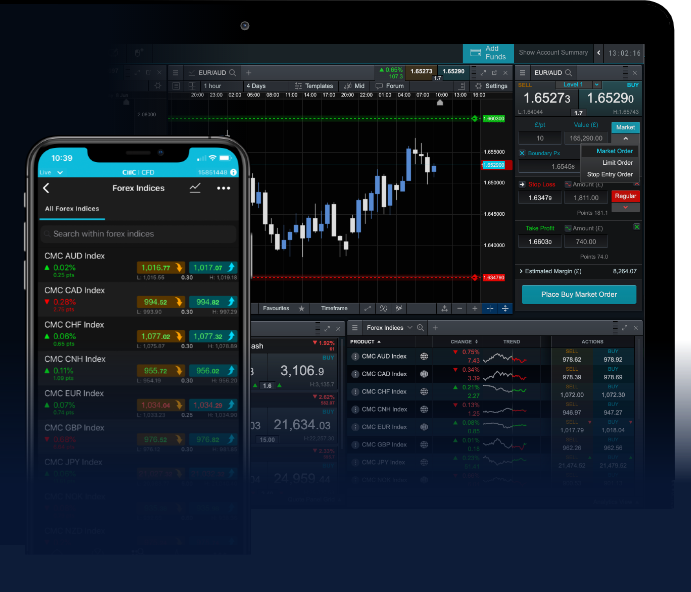
- Day Trading: Involves opening and closing positions within the same trading day.
- Swing Trading: A longer-term approach that aims to capture larger price movements over several days or weeks.
- Scalping: A high-frequency trading strategy focused on making small profits from frequent trades.
Each strategy has its own risks and rewards, so it’s crucial to select one that aligns with your risk tolerance and trading goals.
5. Risk Management
Managing risk is vital in Forex trading. Even experienced traders face losses, so it’s essential to establish risk management practices, such as:
- Setting Stop-Loss Orders: Automatically closing a trade to prevent further losses.
- Position Sizing: Determining the amount of capital to risk on each trade.
- Diversification: Spreading your investments across various currency pairs to reduce overall risk.
A solid risk management strategy can help protect your capital and ensure long-term trading success.
6. Trading Psychology
Trading psychology plays a critical role in your success. Emotional discipline, patience, and a clear mindset can make a significant difference in your trading performance. Common psychological challenges include:
- Fear of Missing Out (FOMO): The urge to enter trades impulsively, leading to poor decisions.
- Overtrading: Taking excessive trades to recover losses or achieve unrealistic goals.
- Fear and Greed: Allowing emotions to dictate trading decisions instead of sticking to a strategy.
Developing mental resilience and self-control is essential to managing these emotions and maintaining profitability.
Resources for Forex Trading Education
Fortunately, there are numerous resources available for individuals seeking to enhance their Forex trading education. Here are a few options to consider:
- Online Courses: Many platforms offer structured courses specifically focused on Forex trading.
- Webinars: Live sessions with expert traders that provide insights and strategies.
- Trading Books: Countless books cover various aspects of Forex trading, from fundamentals to advanced strategies.
- Online Forums and Communities: Engaging with other traders can provide valuable insights and peer support.
Utilizing these resources can significantly enhance your understanding of the Forex market and improve your trading skills.
Conclusion
Forex trading is an exciting and potentially profitable venture that requires a solid foundation of knowledge and skills. By focusing on education, understanding market dynamics, developing a robust trading strategy, managing risk, and maintaining psychological discipline, you can increase your chances of success. Remember, the journey of learning never ends—stay curious, practice consistently, and continuously seek to improve your trading skills. Whether you’re a beginner or an experienced trader, investing time in Forex trading education can make all the difference in your trading outcomes.